• Link to X
  • Link to Facebook
  • Link to Youtube
  • Link to Mail
UCLA Center for Neighborhood Knowledge
  • Home
  • About
    • Team
    • Contact
  • News
  • Maps
    • California COVID-19 Maps
      • CA COVID-19 Medical Vulnerability
      • CA COVID-19 Owner Vulnerability
      • CA COVID-19 Renter Vulnerability
    • Los Angeles COVID-19 Maps
      • Los Angeles Vulnerability
      • Los Angeles County COVID-19 Medical Vulnerability
    • CA Transportation Disparities Mapping Tool
    • South LA Decides: Children Data and Mapping Portal
    • Lens: HIV Prevalence and COVID-19 Vulnerabilities
      • Lens 1.0: HIV Prevalence and COVID-19 Vulnerabilities
      • Lens 2.0: HIV Prevalence and COVID-19 Vulnerabilities
    • Bulldozing Asian Communities: Freeway Construction and Urban Renewal in Stockton
  • Research
    • Current Projects
    • COVID-19
      • COVID Publications
    • Publications
  • Immigration
  • LA Wildfires
  • Menu Menu
Blog - Latest News
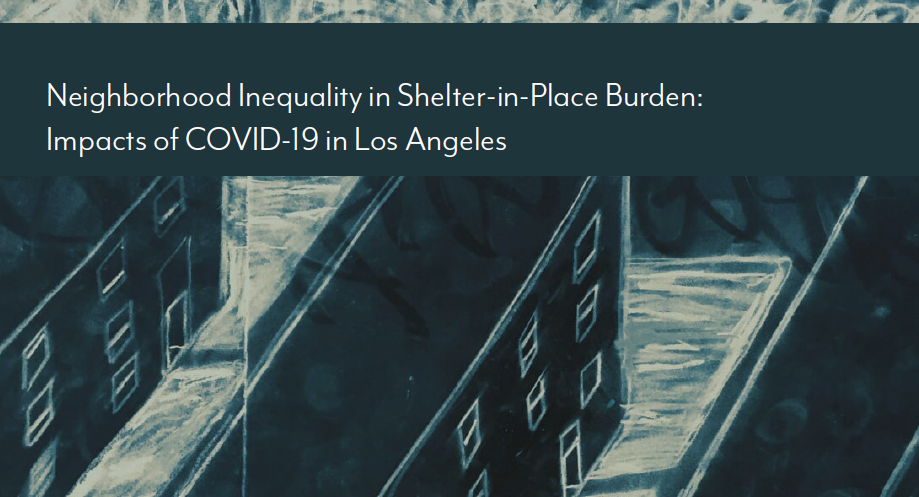
Cover art by Eden McNutt

Neighborhood Inequality in Shelter-in-Place Burden: Impacts of COVID-19 in Los Angeles

April 22, 2020/0 Comments/in Publications/by Silvia R. González

Across the United States, the COVID-19 crisis has exposed and deepened race and class inequalities. What is less known is how these inequalities are manifested at the level of neighborhoods. A new report in a collaboration between CNK Director Paul Ong and colleagues, and the Institute on Inequality and Democracy at UCLA Luskin, examines the vulnerability of low-income and minority neighborhoods in Los Angeles by shelter-in-place mandates.

The restrictions are necessary to “flatten the curve” to prevent overwhelming the health system. Unfortunately, this policy has unintended consequences for disadvantaged communities. This Neighborhood Inequality report shows that real and disproportionately high burdens of shelter-in-place are being borne by these communities. Pioneering a Shelter-in-Place-Burden Index, the report has significant implications for the policy interventions that will be needed to address such burdens. This is not the time to yield to the relatively few clamoring for an opening of the U.S. economy, without regard for the spread of the coronavirus. It is the time that we recognize and close the socioeconomic gap through actions that ensure fairness and justice.

Download >> Neighborhood Inequality in Shelter-in-Place Burden: Impacts of COVID-19 in Los Angeles

Cover art by Eden McNutt

Tags: COVID Publication, covid19, inequality, neighborhoods, shelter in place
Share this entry
  • Share on Facebook
  • Share on X
  • Share on LinkedIn
  • Share by Mail
https://knowledge.luskin.ucla.edu/wp-content/uploads/2020/05/Shelter-in-Place-2.png 497 919 Silvia R. González https://knowledge.luskin.ucla.edu/wp-content/uploads/2020/04/Uxd_Blk_CNK_Luskin_E.png Silvia R. González2020-04-22 11:23:092020-11-10 01:01:56Neighborhood Inequality in Shelter-in-Place Burden: Impacts of COVID-19 in Los Angeles
You might also like
Saving Black Home Ownership: Just and Fair Pandemic Relief and Recovery
Lost Time in Census Count
Participation in 2020 U.S. Census Is Falling Behind
Jennifer Chau, director of the Arizona Asian American Native Hawaiian and Pacific Islander For Equity Coalition, at her office Friday, April 8, 2022, in Tempe, Ariz. (AP Photo/Ross D. Franklin) ROSS D. FRANKLIN AP Asian population overcount masks community nuances
David Ryder / 2021 Getty Images Asian American Businesses: The Impacts of Anti-Asian Racism, 2021
President Biden announced changes Monday to the Paycheck Protection Program aimed at helping smaller businesses owned by women and people of color to qualify for federal loans due to the economic impact that has been caused by the COVID-19 pandemic. Alex Wong/Getty Images New PPP plan aims to level playing field for smallest businesses
https://census.lacounty.gov/census/ Los Angeles County 2020 Census Response Rate Falling Behind
#AntiRacistLA
0 replies

Leave a Reply

Want to join the discussion?
Feel free to contribute!

Leave a Reply Cancel reply

Your email address will not be published. Required fields are marked *

Pages

  • About
  • Bulldozing Asian Communities: Freeway Construction and Urban Renewal in Stockton
  • CA COVID-19 Medical Vulnerability
  • CA COVID-19 Owner Vulnerability
  • CA COVID-19 Renter Vulnerability
  • CA Transportation Disparities Mapping Tool
  • California Maps
  • Contact
  • COVID Publications
  • COVID-19 Equity Research Initiative
  • Current Projects
  • Director Paul M. Ong
  • Home
  • Immigration
  • LA Wildfires
  • Los Angeles County COVID-19 Medical Vulnerability
  • Los Angeles Vulnerability
  • Maps
  • News
  • Publications
  • Sitemap
  • South LA Decides: Children Data and Mapping Portal
  • Team
  • The Lens 2.0: HIV Prevalence and COVID-19 Vulnerabilities

Categories

  • Events
  • LA Wildfires Data Briefs
  • News
  • Ong
  • Publications
  • Uncategorized

Archive

  • April 2026
  • September 2025
  • July 2025
  • March 2025
  • February 2025
  • January 2025
  • September 2024
  • December 2023
  • November 2023
  • September 2023
  • February 2023
  • May 2022
  • April 2022
  • March 2022
  • February 2022
  • January 2022
  • December 2021
  • November 2021
  • October 2021
  • September 2021
  • August 2021
  • July 2021
  • June 2021
  • May 2021
  • April 2021
  • March 2021
  • February 2021
  • January 2021
  • December 2020
  • November 2020
  • October 2020
  • September 2020
  • August 2020
  • July 2020
  • June 2020
  • May 2020
  • April 2020
  • March 2020
  • December 2019
  • October 2019
  • June 2019
  • May 2019
  • February 2019
  • July 2018
  • June 2018
  • March 2018
  • February 2018
© Copyright - UCLA Center for Neighborhood Knowledge - Login - Enfold WordPress Theme by Kriesi
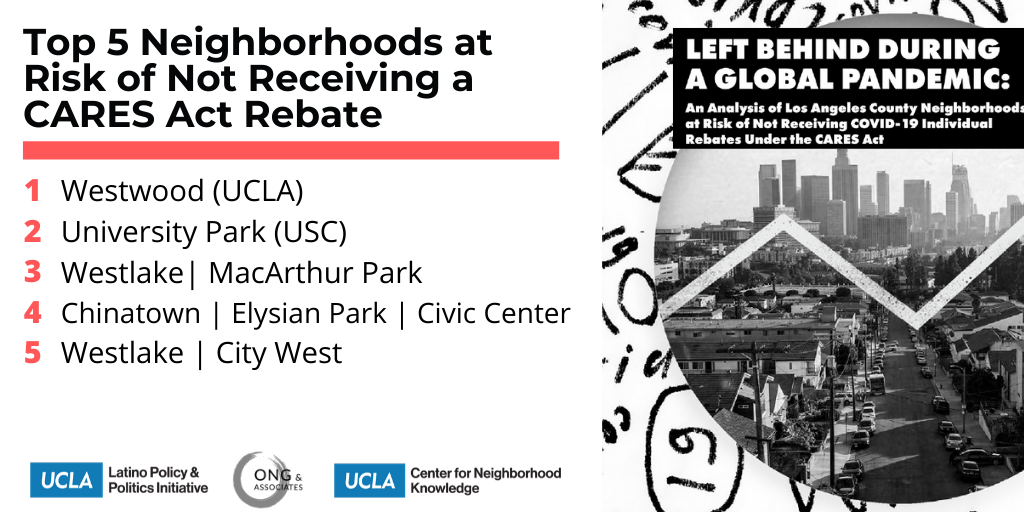
Link to: Left Behind During a Global Pandemic Link to: Left Behind During a Global Pandemic Left Behind During a Global Pandemic Link to: Effects of the COVID-19 pandemic on California’s most vulnerable communities Link to: Effects of the COVID-19 pandemic on California’s most vulnerable communities Effects of the COVID-19 pandemic on California’s most vulnerable communit...
Scroll to top Scroll to top Scroll to top