• Link to X
  • Link to Facebook
  • Link to Youtube
  • Link to Mail
UCLA Center for Neighborhood Knowledge
  • Home
  • About
    • Team
    • Contact
  • News
  • Maps
    • California COVID-19 Maps
      • CA COVID-19 Medical Vulnerability
      • CA COVID-19 Owner Vulnerability
      • CA COVID-19 Renter Vulnerability
    • Los Angeles COVID-19 Maps
      • Los Angeles Vulnerability
      • Los Angeles County COVID-19 Medical Vulnerability
    • CA Transportation Disparities Mapping Tool
    • South LA Decides: Children Data and Mapping Portal
    • Lens: HIV Prevalence and COVID-19 Vulnerabilities
      • Lens 1.0: HIV Prevalence and COVID-19 Vulnerabilities
      • Lens 2.0: HIV Prevalence and COVID-19 Vulnerabilities
    • Bulldozing Asian Communities: Freeway Construction and Urban Renewal in Stockton
  • Research
    • Current Projects
    • COVID-19
      • COVID Publications
    • Publications
  • Immigration
  • LA Wildfires
  • Menu Menu
Blog - Latest News

COVID-19 and the Digital Divide in Virtual Learning, Fall 2020

December 9, 2020/1 Comment/in Publications/by CNK Staff

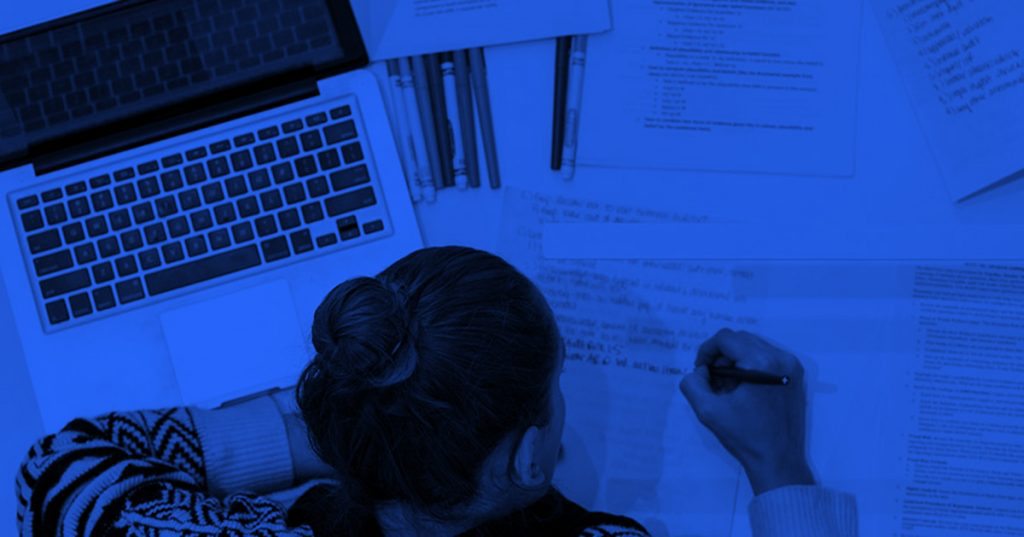
With many schools closed and students working remotely amid the COVID-19 pandemic, this new report by CNK indicates improved access to computers and the internet during the Fall school term, but confirms a continuing and persistent digital divide, especially for Black, Hispanic and low -income students.

Using data from the U.S. Census Household Pulse Survey, the research shows the rate of limited digital access for households fell from a high of 42 percent amid the panic and chaos of the closure of schools last Spring to about 31 percent this fall.  However, the data also shows that since mid-October the rate of inaccessibility has increased slowly but unmistakably. The researchers are concerned that the divide may worsen amid a surge in COVID-19 infections and resulting restrictions.

“The disparities in limited technological resources for virtual learning is not just today’s education crisis.  Falling behind increases the achievement gap, which has long-term social and economic implications,” concludes CNK Director Paul Ong.  “Digital inequality threatens to widen the racial and income gap as children become adults, contributing to an intergenerational reproduction of inequality. To avoid this tragedy, we must act immediately and decisively to close the digital divide.”

“This new research details a persistent and troubling digital divide among students, with far reaching implications for educational access and equitable opportunities,” said Tina Christie, Wasserman Dean of the UCLA School of Education and Information Studies. “The pandemic has brought into focus the intimate connection between education and technological connectivity and with it, the connection between connectivity and social justice. The battleground for educational equity has now and perhaps forever, shifted into a new space.”

COVID-19 and the Digital Divide in Virtual Learning, Fall 2020 is a publication of the UCLA Center for Neighborhood Knowledge in collaboration with the UCLA School of Education and Information Studies.

Access the full report here >>> COVID-19 and the Digital Divide in Virtual Learning, Fall 2020

Access the supplementary factsheet with additional state statistics here >>> Additional State-Level Statistics 

For another resource by AllConnect Info >>> What is the Digital Divide

Tags: COVID Publication, covid19, digital divide, educational attainment, inequality, minority, tech, technology
Share this entry
  • Share on Facebook
  • Share on X
  • Share on LinkedIn
  • Share by Mail
https://knowledge.luskin.ucla.edu/wp-content/uploads/2020/12/image-2.png 537 1024 CNK Staff https://knowledge.luskin.ucla.edu/wp-content/uploads/2020/04/Uxd_Blk_CNK_Luskin_E.png CNK Staff2020-12-09 05:00:302021-05-19 00:36:17COVID-19 and the Digital Divide in Virtual Learning, Fall 2020
You might also like
Cover art by Eden McNutt Neighborhood Inequality in Shelter-in-Place Burden: Impacts of COVID-19 in Los Angeles
This is what could happen if the 2020 census fails to count everyone in the US
President Biden announced changes Monday to the Paycheck Protection Program aimed at helping smaller businesses owned by women and people of color to qualify for federal loans due to the economic impact that has been caused by the COVID-19 pandemic. Alex Wong/Getty Images New PPP plan aims to level playing field for smallest businesses
Who Should Get Vaccinated First?
Disparities in the Distribution of Paycheck Protection Program Funds in California’s Congressional Districts
COVID-19 Death and Vaccination Rates for Latinos in New York City
Report: Schools should look for long-term solutions to digital divide
Disparities in the Distribution of Paycheck Protection Program Funds
1 reply

Trackbacks & Pingbacks

  1. The digital divide is still an issue despite recent progress, study shows - CSBA Blog says:
    February 1, 2021 at 9:41 am

    […] social and economic implications,” Center for Neighborhood Knowledge Director Paul Ong said in a statement. “Digital inequality threatens to widen the racial and income gap as children become adults, […]

    Reply

Leave a Reply

Want to join the discussion?
Feel free to contribute!

Leave a Reply Cancel reply

Your email address will not be published. Required fields are marked *

Pages

  • About
  • Bulldozing Asian Communities: Freeway Construction and Urban Renewal in Stockton
  • CA COVID-19 Medical Vulnerability
  • CA COVID-19 Owner Vulnerability
  • CA COVID-19 Renter Vulnerability
  • CA Transportation Disparities Mapping Tool
  • California Maps
  • Contact
  • COVID Publications
  • COVID-19 Equity Research Initiative
  • Current Projects
  • Director Paul M. Ong
  • Home
  • Immigration
  • LA Wildfires
  • Los Angeles County COVID-19 Medical Vulnerability
  • Los Angeles Vulnerability
  • Maps
  • News
  • Publications
  • Sitemap
  • South LA Decides: Children Data and Mapping Portal
  • Team
  • The Lens 2.0: HIV Prevalence and COVID-19 Vulnerabilities

Categories

  • Events
  • LA Wildfires Data Briefs
  • News
  • Ong
  • Publications
  • Uncategorized

Archive

  • April 2026
  • September 2025
  • July 2025
  • March 2025
  • February 2025
  • January 2025
  • September 2024
  • December 2023
  • November 2023
  • September 2023
  • February 2023
  • May 2022
  • April 2022
  • March 2022
  • February 2022
  • January 2022
  • December 2021
  • November 2021
  • October 2021
  • September 2021
  • August 2021
  • July 2021
  • June 2021
  • May 2021
  • April 2021
  • March 2021
  • February 2021
  • January 2021
  • December 2020
  • November 2020
  • October 2020
  • September 2020
  • August 2020
  • July 2020
  • June 2020
  • May 2020
  • April 2020
  • March 2020
  • December 2019
  • October 2019
  • June 2019
  • May 2019
  • February 2019
  • July 2018
  • June 2018
  • March 2018
  • February 2018
© Copyright - UCLA Center for Neighborhood Knowledge - Login - Enfold WordPress Theme by Kriesi
Link to: Chinatown Businesses Face a Particularly Brutal Winter Link to: Chinatown Businesses Face a Particularly Brutal Winter Chinatown Businesses Face a Particularly Brutal Winter Link to: Report: Schools should look for long-term solutions to digital divide Link to: Report: Schools should look for long-term solutions to digital divide Report: Schools should look for long-term solutions to digital divide
Scroll to top Scroll to top Scroll to top