• Link to X
  • Link to Facebook
  • Link to Youtube
  • Link to Mail
UCLA Center for Neighborhood Knowledge
  • Home
  • About
    • Team
    • Contact
  • News
  • Maps
    • California COVID-19 Maps
      • CA COVID-19 Medical Vulnerability
      • CA COVID-19 Owner Vulnerability
      • CA COVID-19 Renter Vulnerability
    • Los Angeles COVID-19 Maps
      • Los Angeles Vulnerability
      • Los Angeles County COVID-19 Medical Vulnerability
    • CA Transportation Disparities Mapping Tool
    • South LA Decides: Children Data and Mapping Portal
    • Lens: HIV Prevalence and COVID-19 Vulnerabilities
      • Lens 1.0: HIV Prevalence and COVID-19 Vulnerabilities
      • Lens 2.0: HIV Prevalence and COVID-19 Vulnerabilities
    • Bulldozing Asian Communities: Freeway Construction and Urban Renewal in Stockton
  • Research
    • Current Projects
    • COVID-19
      • COVID Publications
    • Publications
  • Immigration
  • LA Wildfires
  • Menu Menu
Blog - Latest News

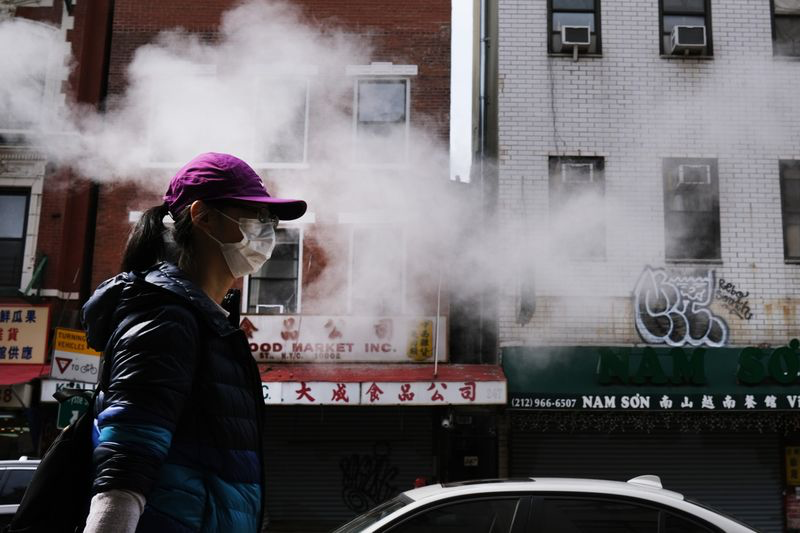
Chinatown Businesses Face a Particularly Brutal Winter

December 7, 2020/0 Comments/in News, Ong/by CNK Staff

Weeks before the first reported U.S. case of Covid-19, the future pandemic was already inflicting economic damage in the Chinatowns of several U.S. cities. During what should have been the busiest time of the year in these Asian-American enclaves, business was down.

Now, as the country copes with a new surge of infections and braces for a second year of pandemic misery, business owners and community leaders fear that these historic entry points for Chinese and other Asian immigrants may never return to their pre-pandemic stature. Instead, the economic pain that Chinatowns are now enduring could be a glimpse of broader devastation to come.

“What distinguishes Chinatown businesses is that they’ve been facing financial and fiscal problems for a much longer time, with deeper cuts to revenues,” said Paul Ong, an economist and urban planner at UCLA who directs its Center for Neighborhood Knowledge. “If we see that they aren’t coming back at a meaningful level over the next year, that would tell us a lot about businesses in other communities. It’s that early experience that makes them a potential leading indicator of other changes that are lagging behind.”

Read the full Bloomberg City Article here >>> Chinatown Businesses Face a Particularly Brutal Winter 
Tags: anti-Asian racism, Chinatown, COVID-19, economic, ethnic enclaves, jobs, small businesses
Share this entry
  • Share on Facebook
  • Share on X
  • Share on LinkedIn
  • Share by Mail
https://knowledge.luskin.ucla.edu/wp-content/uploads/2020/12/image-3.png 533 800 CNK Staff https://knowledge.luskin.ucla.edu/wp-content/uploads/2020/04/Uxd_Blk_CNK_Luskin_E.png CNK Staff2020-12-07 16:50:392020-12-14 17:50:52Chinatown Businesses Face a Particularly Brutal Winter
You might also like
On eve of Lunar New Year, COVID-19 pushes Chinatown businesses to the brink
Robert Santos, director of the U.S. Census Bureau. Ong on Reforms to Uphold Census Integrity
COVID-19 Death and Vaccination Rates for Latinos in New York City
Jennifer Chau, director of the Arizona Asian American Native Hawaiian and Pacific Islander For Equity Coalition, at her office Friday, April 8, 2022, in Tempe, Ariz. (AP Photo/Ross D. Franklin) ROSS D. FRANKLIN AP Asian population overcount masks community nuances
The report estimates that 233,000 Asian American small businesses closed from February to April, representing a decline of 28% over the two-month period. Photo by Rich Legg / iStock Report shows impact of COVID-19 on Asian American labor force
Ong on Uncertain Future of Korean Dry Cleaners
Housing crisis, pandemic reshaping Southern California population article Housing crisis, pandemic reshaping Southern California population
Asian American Businesses: Identifying Gaps and Supporting Recovery 2021
0 replies

Leave a Reply

Want to join the discussion?
Feel free to contribute!

Leave a Reply Cancel reply

Your email address will not be published. Required fields are marked *

Pages

  • About
  • Bulldozing Asian Communities: Freeway Construction and Urban Renewal in Stockton
  • CA COVID-19 Medical Vulnerability
  • CA COVID-19 Owner Vulnerability
  • CA COVID-19 Renter Vulnerability
  • CA Transportation Disparities Mapping Tool
  • California Maps
  • Contact
  • COVID Publications
  • COVID-19 Equity Research Initiative
  • Current Projects
  • Director Paul M. Ong
  • Home
  • Immigration
  • LA Wildfires
  • Los Angeles County COVID-19 Medical Vulnerability
  • Los Angeles Vulnerability
  • Maps
  • News
  • Publications
  • Sitemap
  • South LA Decides: Children Data and Mapping Portal
  • Team
  • The Lens 2.0: HIV Prevalence and COVID-19 Vulnerabilities

Categories

  • Events
  • LA Wildfires Data Briefs
  • News
  • Ong
  • Publications
  • Uncategorized

Archive

  • April 2026
  • September 2025
  • July 2025
  • March 2025
  • February 2025
  • January 2025
  • September 2024
  • December 2023
  • November 2023
  • September 2023
  • February 2023
  • May 2022
  • April 2022
  • March 2022
  • February 2022
  • January 2022
  • December 2021
  • November 2021
  • October 2021
  • September 2021
  • August 2021
  • July 2021
  • June 2021
  • May 2021
  • April 2021
  • March 2021
  • February 2021
  • January 2021
  • December 2020
  • November 2020
  • October 2020
  • September 2020
  • August 2020
  • July 2020
  • June 2020
  • May 2020
  • April 2020
  • March 2020
  • December 2019
  • October 2019
  • June 2019
  • May 2019
  • February 2019
  • July 2018
  • June 2018
  • March 2018
  • February 2018
© Copyright - UCLA Center for Neighborhood Knowledge - Login - Enfold WordPress Theme by Kriesi
Link to: COVID-19 Vulnerability Indicators: California Data for Equity in Public Health Decision-Making Link to: COVID-19 Vulnerability Indicators: California Data for Equity in Public Health Decision-Making COVID-19 Vulnerability Indicators: California Data for Equity in Public Health... Link to: COVID-19 and the Digital Divide in Virtual Learning, Fall 2020 Link to: COVID-19 and the Digital Divide in Virtual Learning, Fall 2020 COVID-19 and the Digital Divide in Virtual Learning, Fall 2020
Scroll to top Scroll to top Scroll to top