• Link to X
  • Link to Facebook
  • Link to Youtube
  • Link to Mail
UCLA Center for Neighborhood Knowledge
  • Home
  • About
    • Team
    • Contact
  • News
  • Maps
    • California COVID-19 Maps
      • CA COVID-19 Medical Vulnerability
      • CA COVID-19 Owner Vulnerability
      • CA COVID-19 Renter Vulnerability
    • Los Angeles COVID-19 Maps
      • Los Angeles Vulnerability
      • Los Angeles County COVID-19 Medical Vulnerability
    • CA Transportation Disparities Mapping Tool
    • South LA Decides: Children Data and Mapping Portal
    • Lens: HIV Prevalence and COVID-19 Vulnerabilities
      • Lens 1.0: HIV Prevalence and COVID-19 Vulnerabilities
      • Lens 2.0: HIV Prevalence and COVID-19 Vulnerabilities
    • Bulldozing Asian Communities: Freeway Construction and Urban Renewal in Stockton
  • Research
    • Current Projects
    • COVID-19
      • COVID Publications
    • Publications
  • Immigration
  • LA Wildfires
  • Menu Menu
Blog - Latest News

Report Highlights ‘Atmosphere of Fear’ for Asian American Employees

December 3, 2021/0 Comments/in News/by CNK Staff

A KQED article featured new research from the UCLA Center for Neighborhood Knowledge on the rising incidence of anti-Asian hate crimes. CNK collaborated with the California-based coalition Stop AAPI Hate to produce a report based on the findings of a national survey of Asian American and Pacific Islander employees. Those surveyed reported alarmingly high rates of hate incidents at their jobs, in addition to an overwhelming fear of being targeted at work. More than a quarter of the respondents said they experienced a hate incident at work in 2021, and more than 20% said they are reluctant to return to in-person work because they’re afraid they will be racially targeted.

“It creates an atmosphere of fear when you go to work and you’re uncertain about what’s going to happen that day because you happen to be Asian American,” said Paul Ong, director of the Center for Neighborhood Knowledge and a co-author of the report.

Access the KQED article at: Many in AAPI Communities Continue to Face Hate, Fear Being Targeted at Work, New Studies Find

Access the report at: Anti-Asian Racism Business Impacts, 2021

Tags: AAPI, Asian Americans, COVID-19, discrimination, economic, inequality, jobs, racism, small businesses, unemployment
Share this entry
  • Share on Facebook
  • Share on X
  • Share on LinkedIn
  • Share by Mail
https://knowledge.luskin.ucla.edu/wp-content/uploads/2021/12/image.png 573 1019 CNK Staff https://knowledge.luskin.ucla.edu/wp-content/uploads/2020/04/Uxd_Blk_CNK_Luskin_E.png CNK Staff2021-12-03 15:05:192021-12-03 15:49:36Report Highlights ‘Atmosphere of Fear’ for Asian American Employees
You might also like
White House adds new initiative for Asian American, Pacific Islander and Native Hawaiian visibility
Esther Lopez settles in at home in Chula Vista after work at a nearby grocery store.(Nelvin C. Cepeda / The San Diego Union-Tribune) A Deadly Reality: By almost every metric, COVID-19 is proving much worse for Latinos than Whites
The report estimates that 233,000 Asian American small businesses closed from February to April, representing a decline of 28% over the two-month period. Photo by Rich Legg / iStock Report shows impact of COVID-19 on Asian American labor force
COVID-19 and LA’s At-Risk Workers
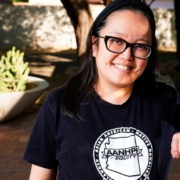
Jennifer Chau, director of the Arizona Asian American Native Hawaiian and Pacific Islander For Equity Coalition, at her office Friday, April 8, 2022, in Tempe, Ariz. (AP Photo/Ross D. Franklin) ROSS D. FRANKLIN AP Asian population overcount masks community nuances
Latino city in Arizona grew, but census says it shrank
Assessing the Incorporation of Racial Equity into Analytical and Modeling Practices in Transportation Planning
Using the Homeless to Guard Empty Houses
0 replies

Leave a Reply

Want to join the discussion?
Feel free to contribute!

Leave a Reply Cancel reply

Your email address will not be published. Required fields are marked *

Pages

  • About
  • Bulldozing Asian Communities: Freeway Construction and Urban Renewal in Stockton
  • CA COVID-19 Medical Vulnerability
  • CA COVID-19 Owner Vulnerability
  • CA COVID-19 Renter Vulnerability
  • CA Transportation Disparities Mapping Tool
  • California Maps
  • Contact
  • COVID Publications
  • COVID-19 Equity Research Initiative
  • Current Projects
  • Director Paul M. Ong
  • Home
  • Immigration
  • LA Wildfires
  • Los Angeles County COVID-19 Medical Vulnerability
  • Los Angeles Vulnerability
  • Maps
  • News
  • Publications
  • Sitemap
  • South LA Decides: Children Data and Mapping Portal
  • Team
  • The Lens 2.0: HIV Prevalence and COVID-19 Vulnerabilities

Categories

  • Events
  • LA Wildfires Data Briefs
  • News
  • Ong
  • Publications
  • Uncategorized

Archive

  • April 2026
  • September 2025
  • July 2025
  • March 2025
  • February 2025
  • January 2025
  • September 2024
  • December 2023
  • November 2023
  • September 2023
  • February 2023
  • May 2022
  • April 2022
  • March 2022
  • February 2022
  • January 2022
  • December 2021
  • November 2021
  • October 2021
  • September 2021
  • August 2021
  • July 2021
  • June 2021
  • May 2021
  • April 2021
  • March 2021
  • February 2021
  • January 2021
  • December 2020
  • November 2020
  • October 2020
  • September 2020
  • August 2020
  • July 2020
  • June 2020
  • May 2020
  • April 2020
  • March 2020
  • December 2019
  • October 2019
  • June 2019
  • May 2019
  • February 2019
  • July 2018
  • June 2018
  • March 2018
  • February 2018
© Copyright - UCLA Center for Neighborhood Knowledge - Login - Enfold WordPress Theme by Kriesi
Link to: The Lens: HIV Prevalence and COVID-19 Vulnerabilities Link to: The Lens: HIV Prevalence and COVID-19 Vulnerabilities The Lens: HIV Prevalence and COVID-19 Vulnerabilities Link to: Assessing the Incorporation of Racial Equity into Analytical and Modeling Practices in Transportation Planning Link to: Assessing the Incorporation of Racial Equity into Analytical and Modeling Practices in Transportation Planning Assessing the Incorporation of Racial Equity into Analytical and Modeling Practices...
Scroll to top Scroll to top Scroll to top